
Technology
Berkeley police arrest suspected drunk driver after fatal hit-and-run
By Katherine Langford
Advertisement · Why this ad?
Katherine oversees editorial operations across all six brands. Before joining The Meridan Group, she spent 14 years at the Minneapolis Star Tribune, where she led the metro desk through its digital transformation. She holds a Master's in Journalism from Northwestern's Medill School.
More from Katherine →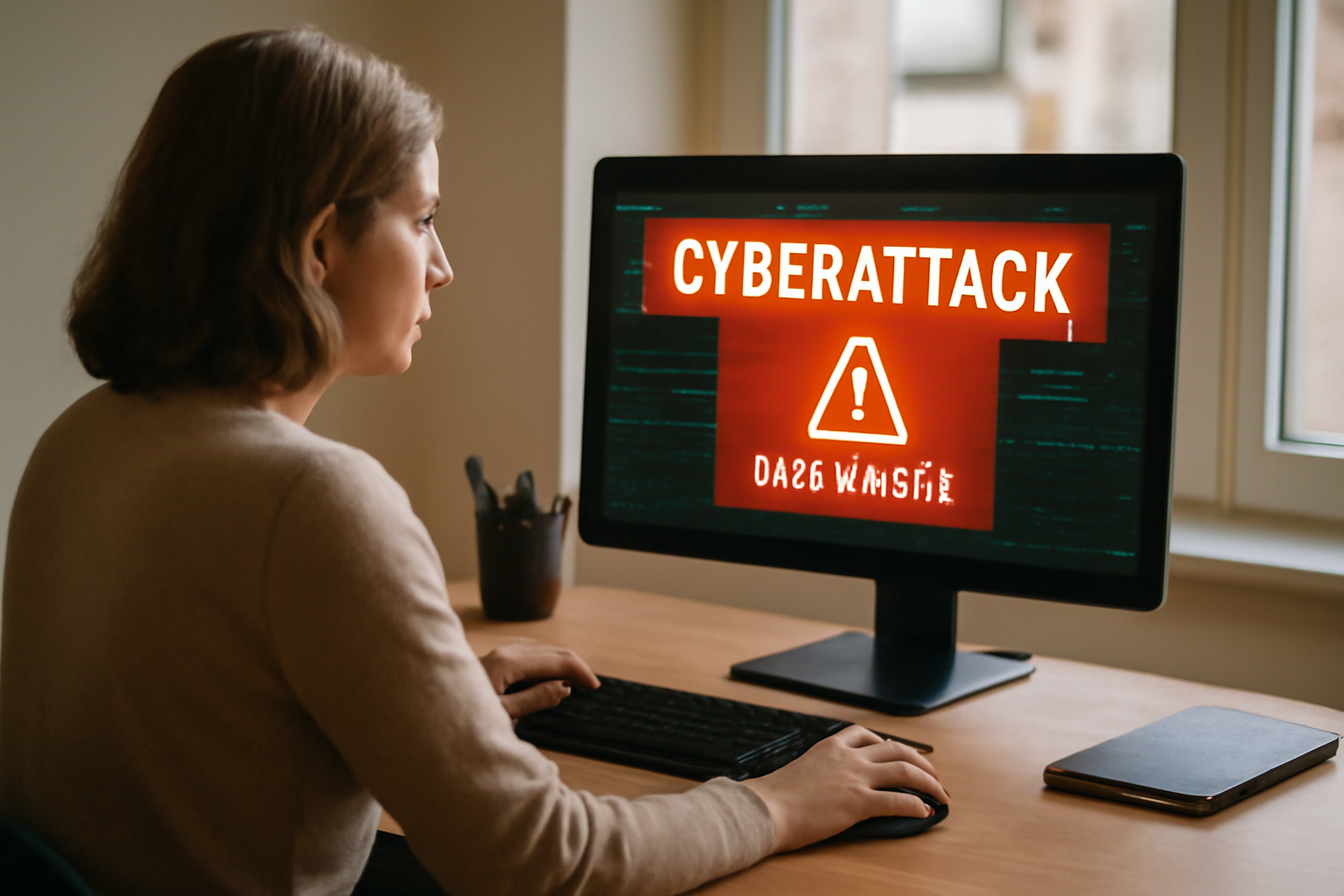
As the sun began to set over Atherton, a quiet town known for its serene neighborhoods and close-knit community, the unsettling news from France echoed through the halls of local health organizations. A cyberattack targeting blood banks had been thwarted, but the implications of such incidents reach far beyond the borders of Europe, touching on the safety and security of vital health services everywhere. In a world increasingly reliant on technology, this event serves as a stark reminder of the vulnerabilities we face.
On November 4, 2026, French authorities reported a significant cyberattack on the French Blood Establishment (EFS), which manages blood collections and distributions across the country. The attack attempted to manipulate the temperatures at three cold-storage sites for plasma, aiming to raise them to dangerously high levels. Fortunately, the monitoring systems in place detected the anomaly before any blood products or samples were compromised, ensuring the safety of the stored plasma intended for transfusions and medical manufacturing.
The EFS stated that the attack raised temperature thresholds from a standard of minus 30 degrees Celsius (minus 22 degrees Fahrenheit) to as high as 110 degrees Celsius (230 degrees Fahrenheit). This alarming attempt was quickly contained, and no health consequences were identified. The EFS reassured the public that blood collection and distribution operations remained uninterrupted, continuing to serve patients in hospitals and healthcare facilities.
The news of the cyberattack sparked a wave of concern among residents of Atherton, particularly those involved in health services and community welfare. Local health officials emphasized the importance of cybersecurity in protecting vital health resources. Dr. Emily Carter, a physician at Atherton Family Health Center, expressed her relief that the incident did not lead to any loss of blood products. “It’s a wake-up call for all of us,” she said. “We need to ensure our systems are secure to protect the health of our community.”
In the wake of the cyberattack, local residents gathered at the Atherton Community Center for a town hall meeting to discuss the implications of such threats. Many expressed their concerns about the security of local health providers and the potential impact on patient care. “If something like this can happen in France, what’s stopping it from happening here?” asked one concerned parent. The meeting emphasized the need for increased awareness and proactive measures against cyber threats.
In a community like Atherton, where families prioritize health and well-being, the implications of such cyber threats are profound. The vulnerability of health systems to cyberattacks can lead to a breakdown in trust, as families rely on these institutions for life-saving services. As technology becomes more integrated into healthcare, the need for robust cybersecurity measures becomes increasingly critical.
Local leaders are now advocating for enhanced training and resources to prepare for potential cyber threats. The Atherton Health Department is exploring partnerships with cybersecurity firms to conduct vulnerability assessments and implement stronger protective measures. “Our community’s health is paramount,” said Health Director Mark Thompson. “We must stay ahead of these threats to ensure our residents have access to safe and reliable healthcare.”
In addition to partnerships with cybersecurity firms, local health officials are considering the establishment of a community task force dedicated to cybersecurity in healthcare. This task force would focus on sharing best practices, providing training for staff at local health facilities, and developing a comprehensive response plan in the event of a cyber incident. “We can’t afford to be reactive; we need to be proactive,” Thompson added.
This incident in France is not an isolated event. Just weeks prior, supermarkets across France, Belgium, and the Netherlands experienced similar cyberattacks that compromised refrigeration systems, resulting in significant food spoilage and financial losses. Dutch supermarket chain Ahold Delhaize reported potential losses of up to 250 million euros ($281 million) due to the disruption caused by these attacks. CEO Franz Muller noted that cyber threats are an increasingly harsh reality of doing business today.
The interconnectedness of our global systems means that a cyberattack in one part of the world can have ripple effects everywhere. As communities like Atherton observe these events, there is a growing recognition of the need for vigilance and preparedness. Local businesses and health services are now more aware of their potential vulnerabilities and the importance of investing in cybersecurity.
Moreover, the rise in cyberattacks has prompted discussions at the state and national levels about the need for stricter regulations and guidelines for cybersecurity in critical sectors such as healthcare and food safety. Stakeholders are advocating for more robust policies that require organizations to implement minimum cybersecurity standards to protect against these threats.
In the face of these challenges, the Atherton community is finding ways to strengthen its resilience. Community forums are being organized to discuss cybersecurity and its implications for local health services and businesses. Residents are encouraged to participate in these discussions, sharing their concerns and ideas for improving safety measures.
Additionally, local schools are integrating technology education into their curricula, emphasizing the importance of digital literacy and cybersecurity among students. As future generations grow up in a technology-driven world, equipping them with the knowledge and skills to navigate these challenges will be essential. The Atherton School District is also considering partnerships with cybersecurity experts to provide workshops and seminars for both students and parents.
As the EFS continues its investigation into the cyberattack, the lessons learned from this incident will resonate far beyond France. The need for robust cybersecurity measures in all sectors, especially healthcare, is clear. Atherton residents are encouraged to remain informed about cybersecurity practices, both at home and in their workplaces.
In the coming months, the Atherton Health Department plans to host workshops focused on cybersecurity awareness, inviting experts to share best practices and strategies. By fostering a culture of preparedness, the community can better protect itself against potential cyber threats.
As we move forward, the commitment to strong families and healthy communities remains paramount. In a world where cyber threats loom large, the resilience of our community and the dedication to safeguarding our health will be our greatest assets. The recent cyberattack serves as a critical reminder that vigilance, education, and community engagement are essential in the fight against cyber threats.
By Katherine Langford

By Katherine Langford

By Marcus Chen

By Katherine Langford