
Business
Reports of ICE agents in downtown Mountain View turn out to be unfounded
By Marcus Chen
Advertisement · Why this ad?
Marcus manages the day-to-day editorial workflow across all brands, coordinating coverage assignments and ensuring editorial standards are met. He previously served as city editor at the Pioneer Press and holds a degree in Political Science from Carleton College.
More from Marcus →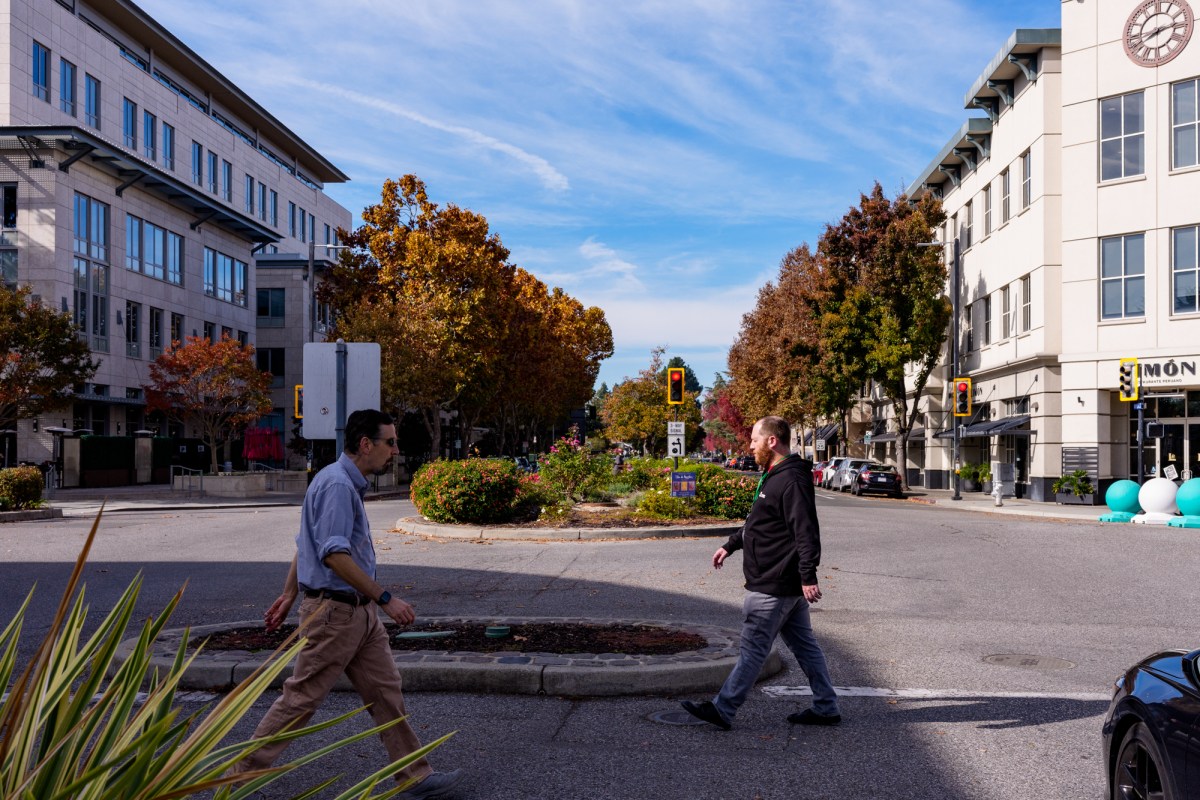
The familiar hum of traffic signals at the intersection of Castro and California streets in downtown Mountain View will soon be a memory. City planners are moving forward with a redesign that will replace the current traffic light system with a roundabout, a change intended to enhance pedestrian and bicycle safety while complementing the ongoing closure of three blocks of Castro Street to vehicular traffic. The plan, unanimously endorsed by the Council Transportation Committee on Monday, represents a significant shift in how residents and visitors navigate the heart of downtown.
The proposed roundabout is part of a broader effort to revitalize downtown Mountain View, building on earlier approvals for 21-foot-wide central crosswalks at the Villa and Dana street intersections. Currently, the Castro and California intersection features a traffic circle with signals for vehicles and pedestrians, along with existing crosswalks and bollards that prevent vehicle access to Castro Street. An existing sewer manhole also sits in the center of the traffic circle, presenting a unique engineering challenge for the redesign. Joseph Cervantes, the city’s senior civil engineer, explained that the new design will eliminate traffic signals entirely, incorporating protected bike lanes to offer cyclists options for navigating the intersection.
The concept design includes more than just a roundabout. Upgrades will also encompass high-visibility crosswalks, raised landscape medians for aesthetic appeal and pedestrian safety, enhanced lighting, and “fortified” bollards at the Castro Street entrance. Council member Alison Hicks praised the layout’s efficiency and cleanliness, echoing John McAlister’s observation that removing the signals will “reduce visual clutter,” a factor they believe contributes to safer navigation. “Clutter I think can make us less safe with an information overload,” Hicks stated.
The estimated cost for this intersection overhaul is roughly $1.7 million, a figure that has prompted some discussion among council members and residents. While the general concept received support, concerns were raised regarding the potential impact on road safety, particularly for bicyclists sharing the roadway with drivers. Ellen Kamei emphasized the importance of informing the community about these changes and their implications.
The Bicycle and Pedestrian Advisory Committee previously recommended adding raised crosswalks to slow down vehicles entering the roundabout. However, staff cited concerns about the impact on bus routes and ride quality, explaining that raised crosswalks would be detrimental to bus service. Mountain View resident Silja Paymer, a candidate in the upcoming City Council election, countered that argument, asserting that “safety is kind of more important than comfort.”
Concerns also surfaced regarding the potential loss of parking spaces to accommodate the new street layout. Cervantes acknowledged that two parking spots in front of 756 California Street may be eliminated, and another in front of 800 California Street could be lost to create a loading zone and drop-off area. He assured the committee that the city is striving to minimize parking disruption and is exploring the use of “vertical delineators” to prevent vehicles from encroaching on bicycle lanes – a recurring problem observed on El Camino Real. City of Mountain View officials are committed to balancing safety and accessibility for all residents.
The design for the Castro and California street intersection is slated for completion by the end of next year. The design plan for the Villa and Dana street intersection improvements along Castro Street is expected to be finalized next summer, with construction anticipated to commence at the end of 2027. Mountain View School District students and families should expect changes to their downtown commute in the coming years.
The project aligns with Mountain View’s broader efforts to create a more pedestrian-friendly and bike-accessible downtown area, a vision that has been years in the making. City of Mountain View officials hope the changes will encourage more residents and visitors to explore downtown on foot and by bicycle, fostering a stronger sense of community and supporting local businesses. The Mountain View Chamber of Commerce has long advocated for improvements to downtown infrastructure.
This redesign reflects a broader trend in urban planning, prioritizing pedestrian and cyclist safety over the convenience of vehicle traffic. While roundabouts have been proven to reduce collision severity in some instances, their effectiveness depends heavily on driver behavior and adherence to traffic patterns. The city’s decision to proceed with the roundabout despite concerns about cyclist safety highlights the ongoing tension between competing priorities in urban design.
As a long-time resident of Mountain View, I’ve witnessed firsthand the evolution of our downtown area. While the closure of Castro Street and the planned roundabout are ambitious projects, they represent a commitment to creating a more vibrant and accessible community. However, it’s crucial that the city addresses the concerns raised by residents and the Bicycle and Pedestrian Advisory Committee regarding cyclist safety. The success of this project hinges not only on the design itself but also on effective public education and ongoing monitoring of its impact on road safety. The potential loss of parking is a legitimate concern that needs careful consideration to avoid negatively impacting local businesses.
Looking ahead, it will be important to track the roundabout’s performance closely, particularly in terms of traffic flow and pedestrian/cyclist safety. The city should also consider implementing additional safety measures, such as improved signage and traffic calming techniques, to mitigate any potential risks. Ultimately, the goal is to create a downtown area that is safe, accessible, and welcoming for all members of our community. California State Parks offer a welcome respite from urban living.
Residents interested in learning more about the Castro and California street intersection redesign can find additional information on the City of Mountain View website. The city is also planning to hold a series of public workshops to gather feedback and address community concerns. San Mateo County residents will likely see similar changes in other areas.
The project’s timeline indicates construction will not begin for several years, providing ample opportunity for residents to voice their opinions and shape the final design. It’s a reminder that community engagement is essential for ensuring that public projects reflect the needs and values of the people they serve. Faith Community Church and other local faith organizations play a vital role in building a strong and supportive community.
The planned changes at Castro and California streets underscore the ongoing effort to transform downtown Mountain View into a more pedestrian-friendly and vibrant hub. While the roundabout represents a significant shift in traffic management, its ultimate success will depend on careful planning, effective communication, and a commitment to ensuring the safety and well-being of all residents.
The intersection’s redesign is expected to significantly impact daily routines for many Mountain View residents. The loss of traffic signals and the introduction of a roundabout will require adjustments in driving habits, while pedestrians and cyclists will need to adapt to new crosswalk and bike lane configurations. The city’s efforts to educate the public about these changes will be crucial in minimizing confusion and ensuring a smooth transition.
The project’s long-term impact on downtown Mountain View remains to be seen. While the changes are intended to create a more pedestrian-friendly and bike-accessible environment, it’s important to monitor their effects on traffic flow, parking availability, and local business activity. Ongoing evaluation and adjustments will be necessary to ensure that the redesign achieves its intended goals.
By Marcus Chen
By Marcus Chen
By Marcus Chen

By Katherine Langford