
Sports
Rob Gronkowski shows up outside New Hampshire polling site, urges people to vote
By Katherine Langford
Advertisement · Why this ad?
Katherine oversees editorial operations across all six brands. Before joining The Meridan Group, she spent 14 years at the Minneapolis Star Tribune, where she led the metro desk through its digital transformation. She holds a Master's in Journalism from Northwestern's Medill School.
More from Katherine →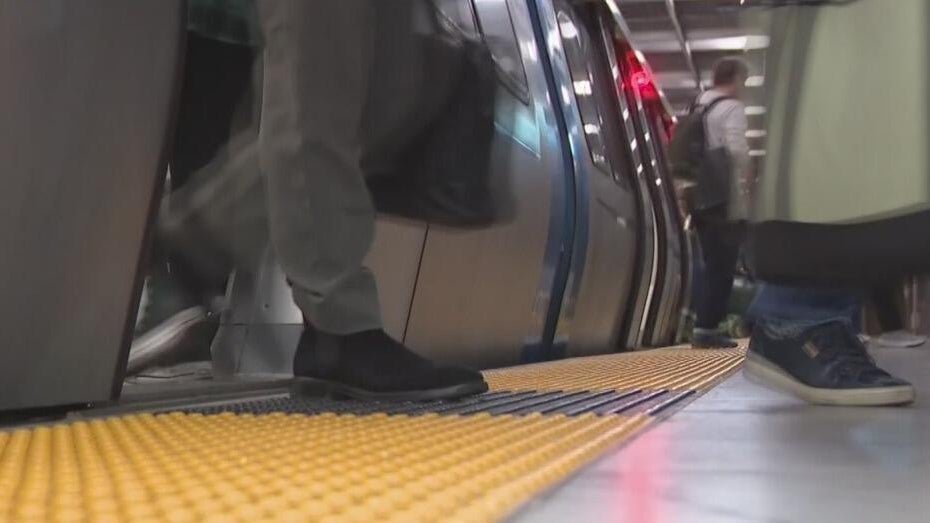
BART riders can breathe a sigh of relief after voters approved a regional transit funding measure that the agency claims will help it avoid sweeping service cuts, station closures and hundreds of potential layoffs. For Victor Camarena, the vote means more than keeping trains running. It helps preserve a lifeline for people working to rebuild their lives after incarceration. "I'm proof that you can utilize these public transportation, whether it's BART, whether it's the bus system, to get your objective goals complete," Camarena said. Camarena commutes from his home in Hayward to Pleasanton each morning, taking BART to his job as a full-time career coach at the Tri-Valley Career Center. He once relied on public transportation himself while saving money for a place of his own. "I remember when I was incarcerated, I saw this youngster, and it kind of reminded me of when I first went in. And I said, what would I tell him to change his life?" Now, he helps connect people recently released from prison with employment opportunities and other resources. Many of his clients don't own cars and depend on public transit to reach the programs that can help them get back on their feet. Some even asked him what would happen if the funding measure failed. "They were like, 'Hey, if this thing doesn't pass, how are we going to get back to these programs?'" Camarena recalled. He sees reliable transportation as an essential part of giving people a second chance. The Tri-Valley Career Center, located across the street from BART's Dublin/Pleasanton station, serves people throughout the community who are looking for work. "If we didn't have it, that's a huge number of people that wouldn't have access," said Alcian Lindo, the center's program manager. The funding measure's passage also gives BART a reprieve from a looming financial crisis. Had voters rejected the measure, BART said it would have needed to reduce train frequency to every 30 minutes, end service at 9 p.m. and begin laying off 1,200 employees in January. The agency also identified 15 stations that could have faced closure, although its board never approved a final closure list. The measure is expected to generate approximately $310 million annually, helping balance BART's budget and preserve its current level of service. But it does not fund service expansions or improvements. "It's really important for the public to know that what the transit ballot measure pays for is what we have today, and nothing extra," said Alycia Trost, BART's chief communications officer. BART still faces an estimated $50 million budget gap next year. The agency says it plans to address that shortfall through internal savings rather than service cuts. The measure also comes with a cost for consumers. In some Bay Area cities, combined sales tax rates will now exceed 11%. Opponents argued the additional tax burden could hurt residents already struggling with rising costs. For Camarena, however, the investment is worth it when he considers what public transportation makes possible for the people he serves. When former clients find stable employment and reach their goals, some call to thank him. "You changed my life," they tell him. For Camarena, those moments are a reminder of why access to opportunity matters. "Because who wants to go back?" he said. Featured Local Savings
By Katherine Langford

By Marcus Chen

By Marcus Chen

By Katherine Langford